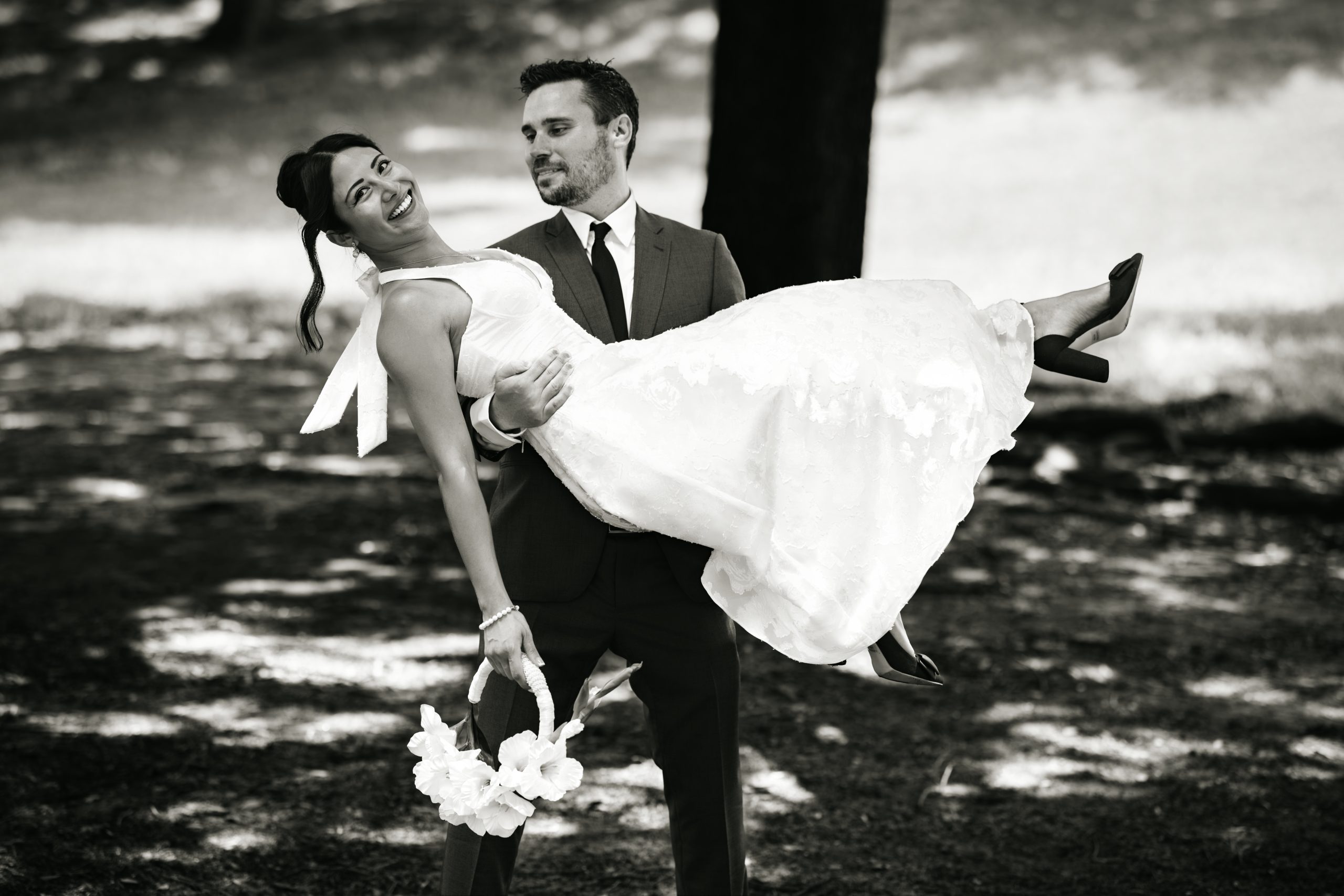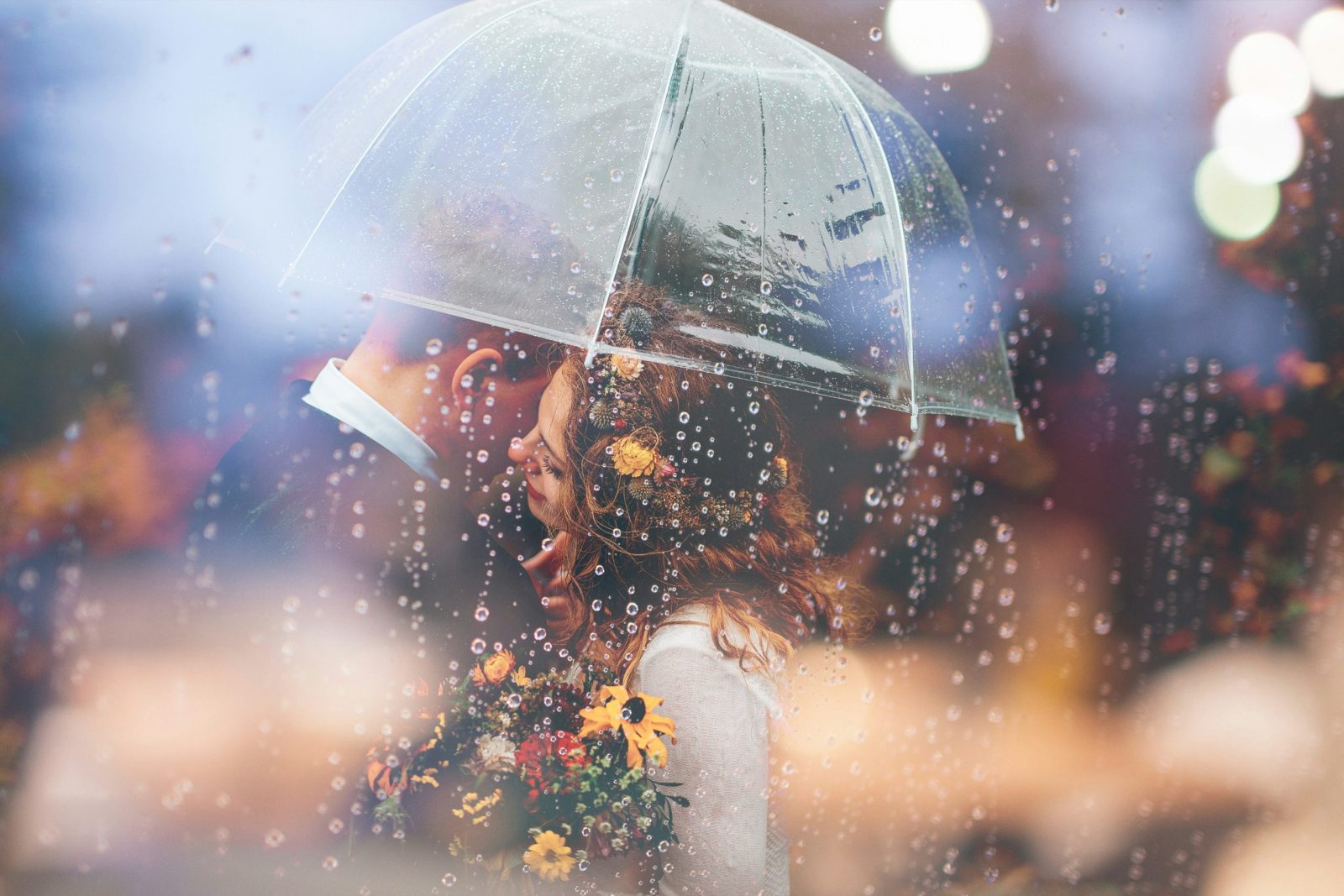
Rain in the forecast does not mean your wedding photos are ruined. It does mean that your timeline, portrait locations, and expectations need a backup plan.
Austin weather can change quickly. A forecast that looks concerning several days before the wedding may turn into a short afternoon shower. A small rain chance can also develop into a thunderstorm that makes outdoor photography unsafe. The goal is not to predict the weather perfectly. The goal is to make decisions in advance so that you are not redesigning your wedding day while guests are arriving.
A strong Austin wedding rain plan should protect three things: your safety, the flow of the celebration, and the photographs that matter most to you. When those priorities are clear, rain becomes a manageable part of the day rather than a crisis.
Build the Rain Plan Before the Forecast Matters
The best time to discuss rain is before rain appears in the forecast. Start by asking your venue what happens if an outdoor ceremony cannot proceed as planned.
Some venues have a dedicated indoor ceremony room. Others move guests beneath a covered patio, tent, pavilion, or reception area. A few may require the couple to rent a tent or make the weather decision by a specific deadline. Find out who makes that decision, when it must be made, and whether the indoor alternative changes the seating arrangement or ceremony layout.
The backup space also matters for photography. Ask whether it has windows, neutral walls, enough room for family groups, and permission for the photographer to use lighting equipment. A covered area may keep everyone dry while still allowing wind-driven rain to enter from the sides. An indoor room may be protected but too small for a group portrait of 25 people.
Your photographer should know about both the preferred location and the backup location. If possible, share venue photos, a floor plan, or a link to the space before the wedding. This allows the photographer to think about camera positions, lighting, and portrait backgrounds before arriving.
It is also useful to add a small weather buffer to the timeline. Ten or fifteen flexible minutes can be enough to move portraits indoors, wait for a shower to pass, or take advantage of a brief opening in the clouds. A schedule with no flexibility creates more pressure than the rain itself.
Decide in advance which outdoor photographs are most important. For example, you may care most about portraits of the two of you near a particular oak tree, while the wedding-party and family photos can happen indoors. If the photographer gets a dry ten-minute window, that priority list makes it possible to use the time efficiently.
Rain and severe weather should not be treated as the same situation. Light rain may still allow outdoor portraits with umbrellas and a protected staging area. Lightning, flash flooding, hail, and strong winds require a safety-first decision. The City of Austin advises residents to monitor weather conditions and have a safe place available during severe storms. You can review the city’s current severe weather guidance and follow the National Weather Service Austin/San Antonio office as the wedding approaches.
If you plan to use a city park for portraits, check the Austin Parks and Recreation closure page. Trails, low-water areas, and park facilities may close because of weather even after the rain has stopped.
A practical decision schedule might look like this:
- Review the general forecast five to seven days before the wedding.
- Confirm the venue’s backup space and weather policy three or four days before the wedding.
- Finalize the indoor portrait options with the photographer and planner one or two days before the wedding.
- Check radar, warnings, road conditions, and park closures on the wedding day.
- Let one designated person communicate any changes to the vendors and wedding party.
The couple should not have to coordinate every adjustment personally. Assigning that responsibility to a planner, coordinator, or trusted family member reduces conflicting information and allows you to stay present.
How Rain Changes Wedding Photography
Clouds can create very flattering portrait light. Direct Texas sunlight often produces strong shadows and causes people to squint. An overcast sky spreads the light more evenly, which can make skin tones, expressions, and details easier to photograph.
The practical problems usually come from water, wind, mud, and limited space rather than from the darker sky.
Clear umbrellas are useful because they allow light to reach your faces and do not add a strong color cast. However, umbrellas should support the photographs rather than become the theme of the entire gallery. I would normally use them for a small selection of portraits, then create additional images beneath a covered entrance, patio, breezeway, or building overhang.
Large black umbrellas can be helpful for moving between locations, but they may cast dark shadows over faces. If you are purchasing umbrellas specifically for photos, choose matching clear or neutral options and remove store labels in advance. Have enough umbrellas for the couple and wedding party, but do not assume that every group photograph must include them.
Rain also creates visual opportunities. Wet pavement can reflect venue lights, headlights, and the sky. A darker background can make the couple stand out. Backlighting can reveal individual raindrops and produce a dramatic evening portrait. These images usually require a suitable location, controlled lighting, and cooperation from the weather. They are a bonus, not a replacement for the essential portraits.
Indoor photography depends heavily on the available space. A hotel lobby with large windows may provide soft natural light. A windowless ceremony room may require flash or other artificial lighting. A narrow hallway may work beautifully for individual portraits but not for a large family group.
This is why the backup plan should include more than the phrase “we will take photos inside.” Identify the actual indoor areas and confirm that they will be accessible when portraits are scheduled. The bridal suite may look good in venue marketing photos but become crowded with bags, food, clothing, and makeup supplies on the wedding day. A reception room may be unavailable while vendors are completing the setup.
Keep the getting-ready rooms reasonably organized near the windows and the areas where you expect to be photographed. You do not need to clean the entire room. One uncluttered section can be enough for detail photos, final dressing moments, and portraits with parents or the wedding party.
Shoes and clothing also need a plan. If outdoor portraits remain possible, bring a second pair of shoes for walking across wet ground. The formal shoes can be put on after reaching the portrait location. A towel, stain remover, lint roller, and a clean sheet for protecting the bottom of the dress can solve many small problems.
The photographer may divide the portraits into shorter groups instead of completing one long outdoor session. Couple portraits could happen during a ten-minute break in the rain, family photos indoors after the ceremony, and additional evening portraits beneath a covered area. This flexible approach often works better than waiting for one perfect weather window.
Your essential photographs should still come first:
- The ceremony and major emotional moments
- Immediate-family portraits
- Wedding-party portraits
- Couple portraits
- Important reception events
- Details and wider venue photographs when conditions allow
If the timeline begins running late, protect these priorities before adding experimental rain portraits or traveling to another location.
A Practical Austin Wedding-Day Rain Checklist
A useful rain plan does not require buying dozens of accessories. It requires a few specific decisions and supplies.
Confirm the following with your venue:
- The exact indoor or covered ceremony alternative
- The deadline for moving the ceremony
- Whether a tent is included or must be rented separately
- Indoor locations available for couple, family, and wedding-party portraits
- Rules for photography equipment and flash
- Accessibility between buildings during rain
- Potential parking, shuttle, or drop-off changes
- Any areas that become muddy, slippery, or prone to standing water
Prepare a small weather kit containing:
- Clear or neutral umbrellas
- Towels
- A change of shoes
- Extra socks
- A clean sheet or dress-protection cloth
- Stain remover
- Hairpins and basic hair products
- A compact makeup touch-up kit
- Plastic bags for wet umbrellas and shoes
- Bottled water and simple snacks in case the schedule changes
Share the final rain plan with the photographer, coordinator, venue, videographer, and transportation provider. Everyone should know where the ceremony and portraits will move. The photographer and videographer should also coordinate their positions in a smaller backup space so neither team blocks the other.
Avoid checking several weather apps every few minutes. Forecast percentages can create anxiety without providing enough context for a decision. The timing, movement, and severity of the storm matter more than a single rain percentage. Use official weather information, then let the venue coordinator and experienced vendors help interpret what it means for the schedule.
Do not cancel outdoor portraits too early unless the venue requires an advance decision. It may rain during the morning and become dry before the ceremony. It may also remain dry during the scheduled portrait time even when the day has a significant chance of rain. Keep both plans available until the conditions and venue policy require a final choice.
At the same time, do not pressure vendors to continue outside during lightning or dangerous conditions. No photograph is worth placing the couple, wedding party, guests, or vendor team at risk.
The most effective plan is usually a hybrid. Move the ceremony or formal groups indoors when necessary, then watch for a safe opportunity to step outside for a few couple portraits. Even five or ten minutes can produce variety when the photographer already knows the location and priorities.
Rain may change the appearance of your wedding gallery, but it does not remove the people, reactions, and relationships that make the day important. A flexible timeline and a real backup location allow those moments to remain the focus.
If you are planning a wedding in Austin and want photography coverage built around your venue, timeline, and weather alternatives, contact Vlad Mixer Photography or check availability and begin your booking. We can create a photography plan that works for both the ideal forecast and the backup plan.